

Looking Beyond the Criminal Charge
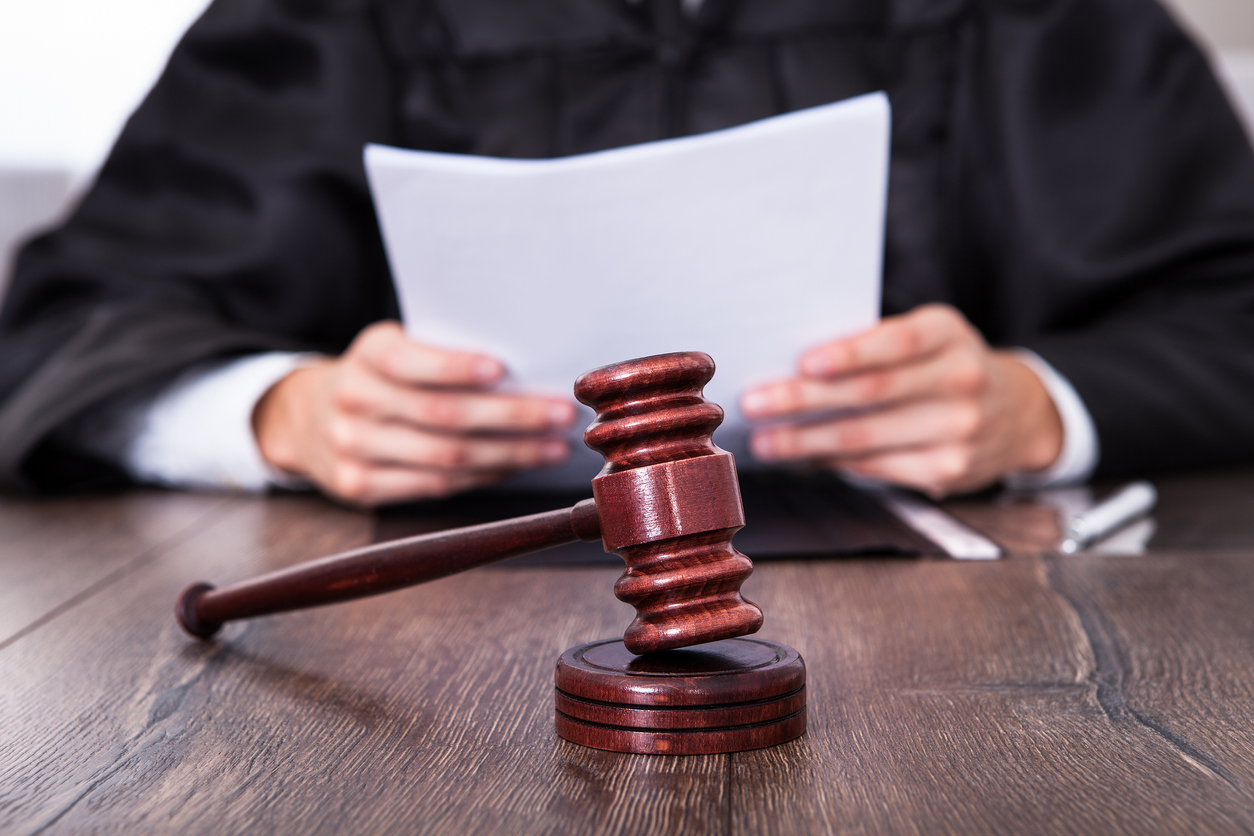
When somebody walks into my office charged with a crime, I’m not there to decide whether they’re a good person or a bad person. People make mistakes. Good people make bad decisions. People also get accused of things they didn’t do, and sometimes what actually happened is a lot more complicated than the first version of the story. My job is to get to know my client, understand what happened, look at the evidence and the law, and figure out the best way I can help that person get the best outcome possible.
That’s usually where I start with a new client. I want to learn a little bit about who they are, and then I ask them to walk me through exactly what happened. I want the whole story, usually in more detail than they probably think I need. Once I’m involved in the case, we’ll file a notice of appearance, request discovery and start working through what the State actually has. Obviously, the police report is part of that, and it can be helpful. But I don’t read a police report and assume that I’ve now learned what happened. Police reports are almost always written from a prosecution standpoint. They contain what the officer thought was important, what witnesses told the officer, and sometimes summaries of statements made by the person who was arrested. That information matters, but it’s only one part of the case.
One thing I’m particularly interested in is whether my client gave a recorded statement. If they did, I want to listen to it myself. I don’t want to rely on a sentence in a police report telling me what my client supposedly said during a much longer interview. Sometimes the summary is accurate. Sometimes a quote isn’t quite right, or something important was said before or after the portion that made it into the report. Context matters. If my client sat in an interview room for 30 minutes and the interview was recorded, I want to hear the 30 minutes rather than rely on somebody else’s three-sentence summary of it.
The same is true with body camera footage, surveillance video and other recordings. Those are usually some of the first things I’m looking for in discovery because I want to know whether there is evidence I can evaluate independently. Video doesn’t necessarily tell you everything. A camera may be pointed the wrong direction, start recording after something happened, or fail to capture what was said. But if there’s video of the actual event, I certainly want to see it. I would much rather evaluate what I can actually see and hear than rely entirely on several people giving their own versions of the same event.
I’ve had cases where I met a client, learned about the person and the circumstances, and the allegations simply didn’t make much sense to me. Then we got the discovery and the evidence looked very different from the way the case initially appeared. I’ve also had plenty of cases where we received the discovery and the police report was pretty much spot on. That’s part of practicing criminal law. I’m not helping a client if I ignore evidence simply because it’s bad for the case. I need to know the good facts and the bad facts because both of them affect the advice I give and how we decide to move forward.
There can also be a pretty big difference between what a client believes should matter and what actually matters under the law. One of the things criminal defense lawyers hear all the time is, “They didn’t read me my rights, so doesn’t that mean the case gets dismissed?” Not necessarily. Miranda can be very important when the State is trying to use a statement obtained during a custodial interrogation, but there isn’t a rule that says an arrest automatically disappears because an officer didn’t read someone their rights. Television has probably done criminal lawyers no favors on that one.
On the other hand, clients sometimes don’t recognize things that are legally very important. They may tell me they never intended for something to happen and understandably believe that ends the discussion. Sometimes intent is absolutely critical, but the law doesn’t only deal with intentional conduct. Depending on the offense, there can be significant differences between intentional, reckless and negligent conduct. There are also circumstances where someone can have criminal responsibility for helping another person commit an offense even though that person wasn’t the primary actor. Those distinctions aren’t always obvious to someone who doesn’t deal with criminal law every day, and I wouldn’t expect them to be.
That’s really a big part of what I’m doing when I evaluate a case. I need to figure out what actually happened, what the State thinks happened, what the evidence can prove happened, and then how all of that fits into the law. Those aren’t always the same thing. Sometimes a case looks worse after we receive all of the evidence. Sometimes it looks substantially better. And sometimes there is an issue neither the client nor the police focused much attention on initially that ends up being very important.
The police report is important, and I certainly want to know what it says. But it’s a starting point. It isn’t the case.

Brett H. Knight is a partner at Jaffe, Hanle, Whisonant & Knight, P.C. His practice includes criminal defense in state and federal courts throughout Alabama.
This article is provided for general informational purposes only and is not legal advice. Every case is different, and past results do not guarantee a particular outcome.
For more information, contact an experienced Birmingham criminal defense attorney at Jaffe, Hanle, Whisonant & Knight, P.C. for a free consultation.
We proudly serve clients in Birmingham and all throughout Alabama.
Jaffe, Hanle, Whisonant & Knight, P.C.
2320 Arlington Ave S, Suite 100, Birmingham, AL 35205
(205) 930-9800